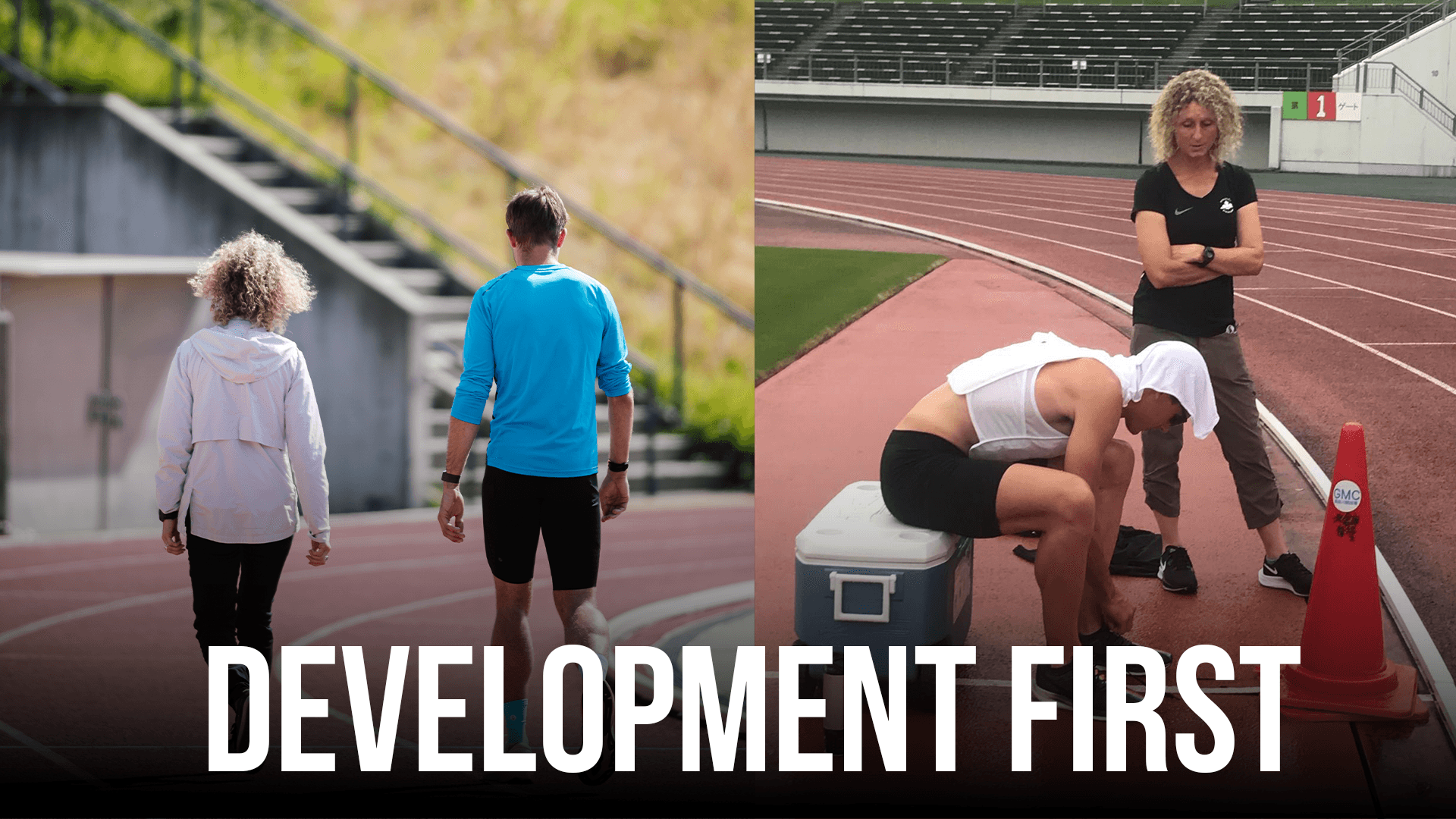


I recently spoke with a local running coach, and we eventually landed on the topic of developing runners at the high school level. There’s always debate around quality vs. quantity, but I think we may be missing the bigger picture.
Instead of focusing solely on adding mileage each year or running faster splits than the season before, I challenge coaches and athletes to think differently. Similar to Greg Olsen’s perspective, rather than obsessing over goals, prioritize consistent development over time, regardless of what the scoreboard says.
I think of development like building a tool belt. The goal is to equip athletes with tools they can rely on when situations demand it. At the highest levels, athletes depend on instincts, not a single drill from a private coach or a perfectly paced “Tempo Run.”
From a track-specific standpoint, I’d rather put athletes through dress rehearsals within training: change of pace, time trials, sitting in a call room, negative splitting, and learning what certain paces actually feel like (take away the GPS watch).
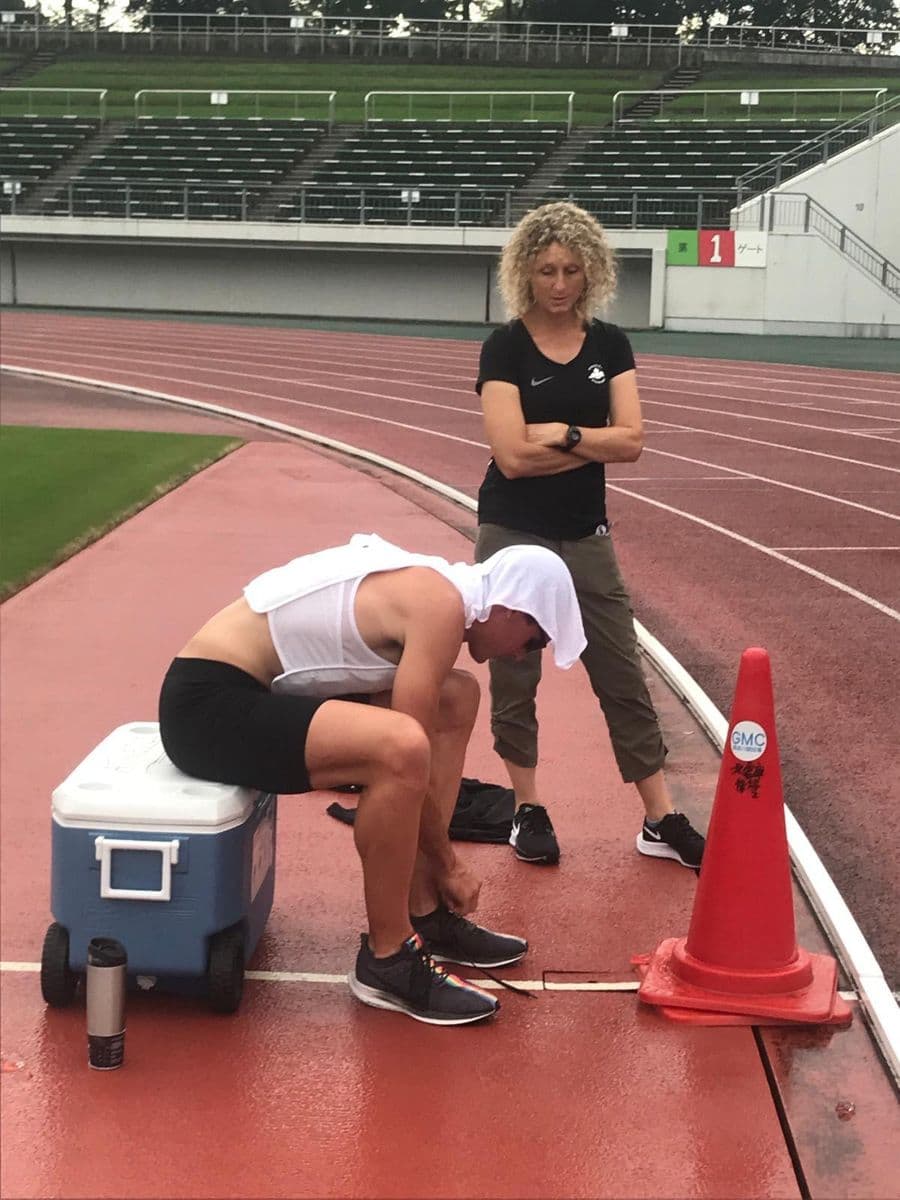
For example, a change-of-pace session might look like 12×200 meters, six fast, six controlled, run continuously. Most championship races aren’t evenly split; they’re chaotic and unpredictable. If an athlete experiences that for the first time at a regional or state final, it usually doesn’t end well, unless they’re simply more talented than everyone else.
Running faster and running more absolutely matter, but why not create complete runners? That foundation sets athletes up for long-term success, and mileage can always be added later, especially at the collegiate level.

GET YOUTH INC UPDATES
Get real tools, fresh perspective, and inspiring stories to help you get the most from youth sports. Plus, you'll be entered for a chance to win premium fan wear to rep your favorite school or club