Youth Inc. Recommends: Four Tips for Developing Different Types of Players
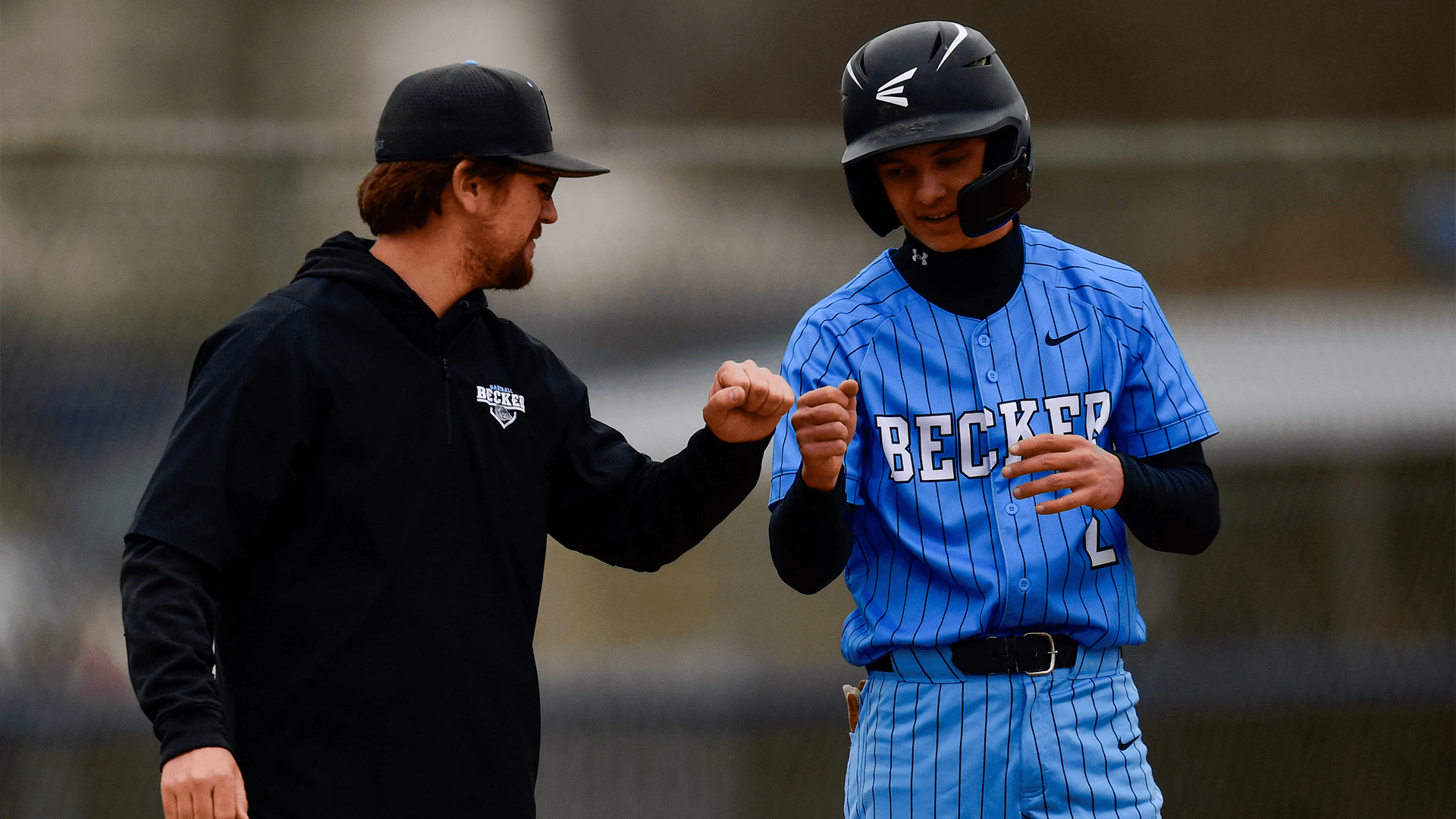


Every team has a mix of personalities, skill levels and learning styles. Some athletes are confident and vocal. Others are quiet but consistent. Some need a push, others need patience.
The best coaches don’t treat every player the same. Instead, they find ways to bring out the best in each individual.
This post offers four practical tips to help coaches better understand, connect with and develop all types of players from the rising star to the quiet contributor.
How Baseball Coaches Can Build Confidence In Their Players
What it is: Can confidence be coached? The ‘Dominate The Diamond’ YouTube channel believes so. They answered an audience question about ways they can instill confidence in a team.
Why we like it: This is a snappy five-minute video that drills down on useful tips for coaches who need to remain mindful that confidence can be nurtured. At the end of the day, every good hitter or pitcher needs to toe the line between confidence and arrogance and believe in themselves.
Understand Your Role Until You Become The Star Player
What it is: A quick-hitting Instagram reel that explains how baseball teams determine a star player, and what role players can do to impact a team.
Why we like it: Most people equate stardom to offensive production. That’s certainly a huge part of it, but the most valuable baseball players make impacts on both sides of the ball. This video reinforces the value of being a complete player and finds ways for players who are better at one specific skill to still help teams win.
Ways To Recognize Your Star Player
What it is: An insightful article from Hustle Training that guides coaches on identifying and nurturing standout players within a team, emphasizing the importance of recognizing contributions in a way that uplifts the entire group.
Why we like it: This piece offers practical strategies for coaches to acknowledge key contributors without disrupting team harmony. By promoting leadership opportunities and positive reinforcement, it encourages a culture where recognition motivates all players to elevate their performance.
Are You Accidentally Communicating The Wrong Message?
What it is: A head coach explains how he realized that he was poorly communicating to his son, even if he had the best intentions.
Why we like it: Sometimes it’s not what you say, but how you say it. This is a very relatable anecdote from a Division I coach that every parent has likely encountered at some point, and it has an uplifting ending.

GET YOUTH INC UPDATES
Get real tools, fresh perspective, and inspiring stories to help you get the most from youth sports. Plus, you'll be entered for a chance to win premium fan wear to rep your favorite school or club