Youth Inc. Recommends: Five Resources to Understand How Good You Need to Be to Play in College
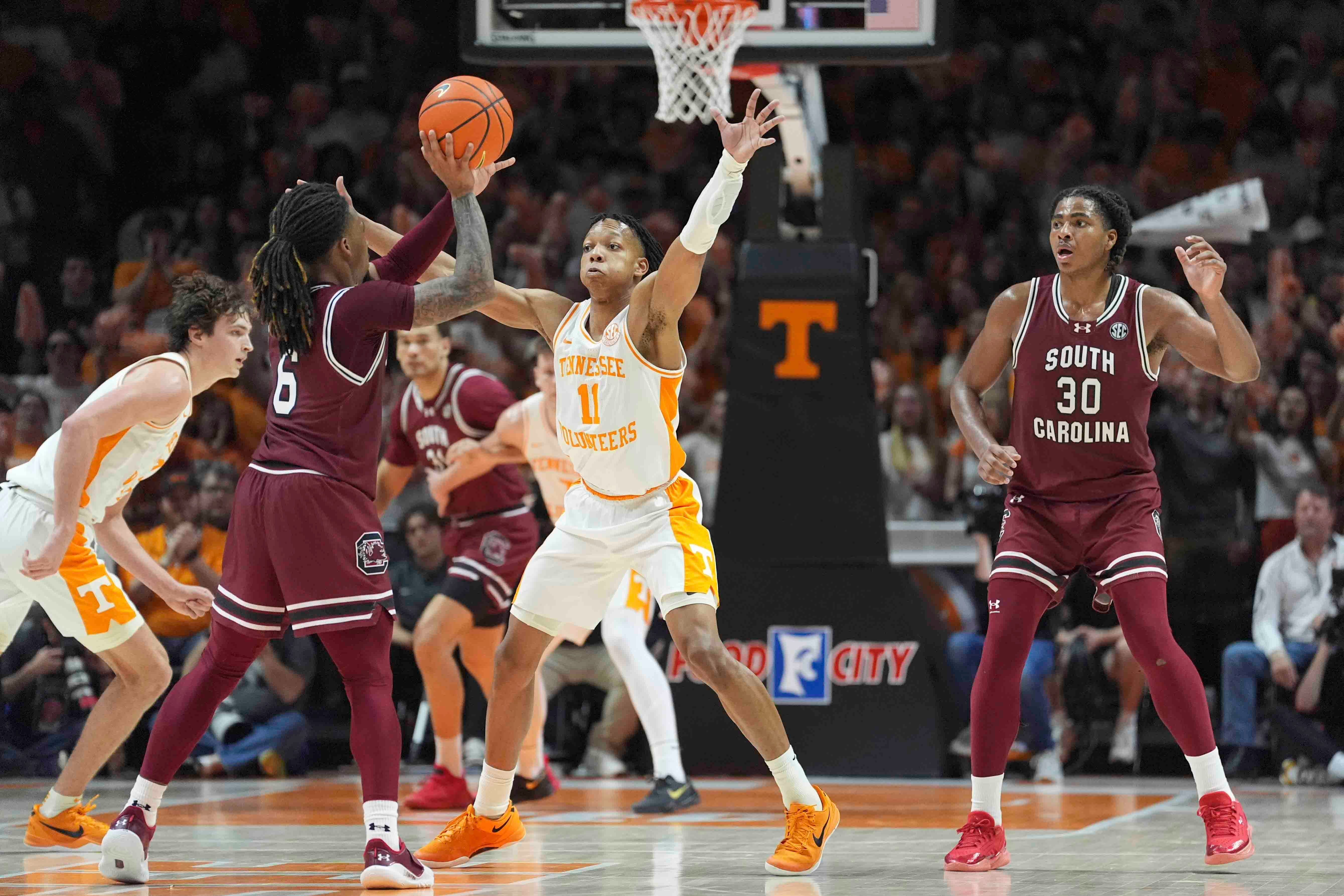


Playing college basketball is a huge goal — but how good do you really need to be? The answer depends on division level, position, stats, and what you’re great at, not just decent. These five resources help players and families get a clearer picture of what it takes to make the leap — whether that’s D1, D2, or D3.
What High School Stats Do You Need to Play in College?
What it is: A candid Reddit thread where players, coaches, and college athletes weigh in on what kind of high school stats matter — and how much — when aiming for college ball.
Why we like it: It’s full of blunt, honest feedback. If you’ve been wondering whether your 14 points per game is “enough,” this thread will give you real-world context.
9 Stats Coaches Should Track
What it is: A breakdown of the key stats coaches should really use to evaluate players — including some that don’t show up in the box score.
Why we like it: This one highlights the hidden metrics that matter to recruiters: efficiency, decision-making, hustle stats. It’ll make you rethink what “being good” actually looks like.
Are You Good Enough to Play in College?
What it is: A clear-cut breakdown of the different college divisions and what level of talent, size, and skill you typically need to play at each.
Why we like it: It’s a no-fluff reality check — with position-by-position benchmarks and honest commentary on what it takes. Especially helpful for younger players setting long-term goals.
Watch This If You Want to Play College Basketball
What it is: A thoughtful video about what separates “good” players from “college-level” players — and how having that true standout skill can be your ticket in.
Why we like it: The message is clear: being well-rounded isn’t enough — you need to be great at something. This is a powerful watch for players trying to figure out what to focus on.
What It Takes to Play College Basketball (D1, D2)
What it is: Two blog posts breaking down the differences between Division I and II basketball — including time commitments, skill level, and scholarship availability.
Why we like it: Taken together, these are one of the clearest side-by-side comparisons you’ll find. They paint a realistic picture of the top two levels of college ball — and help players aim high.

GET YOUTH INC UPDATES
Get real tools, fresh perspective, and inspiring stories to help you get the most from youth sports. Plus, you'll be entered for a chance to win premium fan wear to rep your favorite school or club