Youth Inc. Recommends: Five Resources to Help Swimmers Build Strength Safely
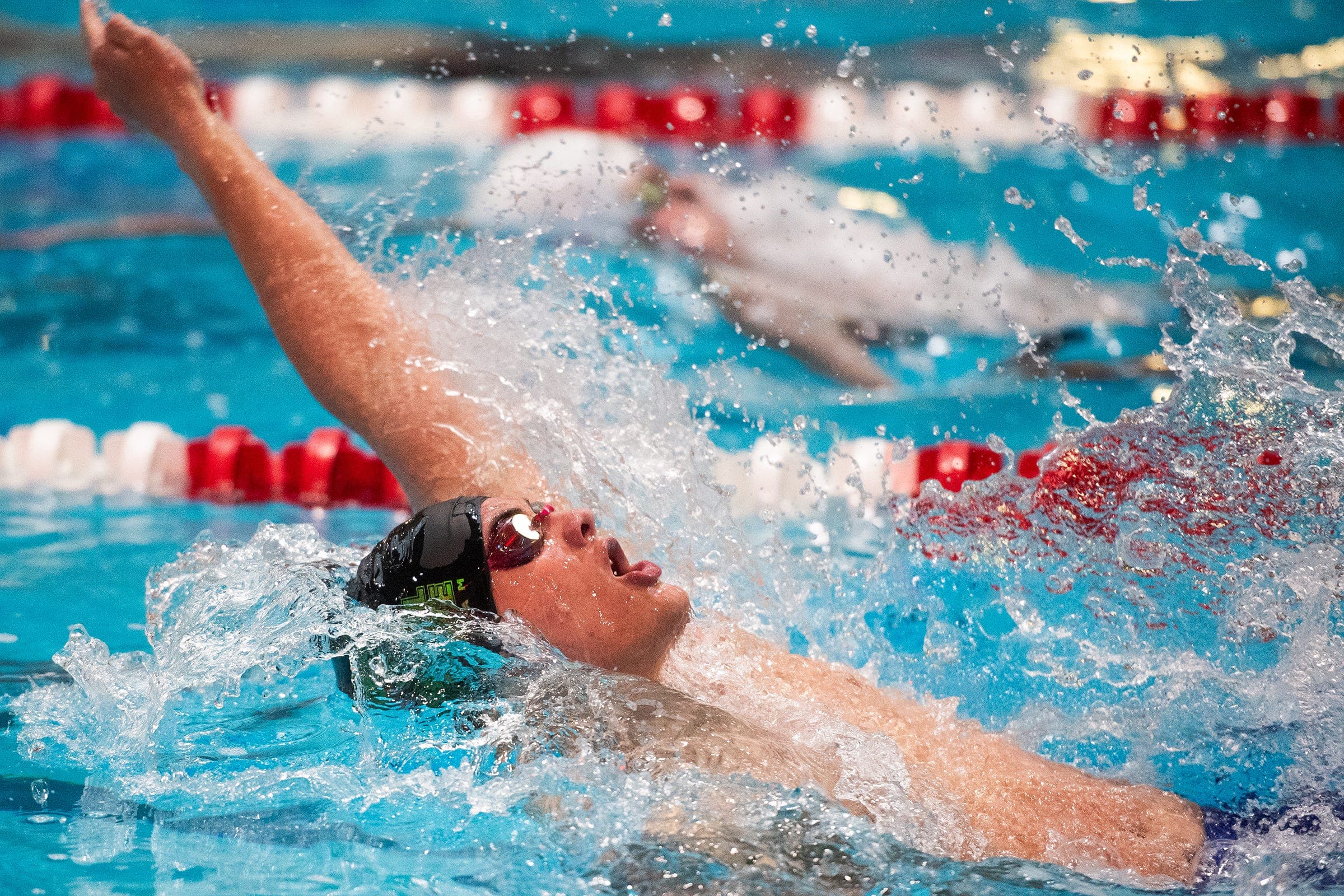


Strength training is essential for fast, powerful swimming — but doing it the wrong way can lead to burnout, bad habits, or even injury. Whether it’s building explosive starts, stronger strokes, or more durable bodies, safe strength development requires good information and smart choices.
These five resources offer swimmers, coaches, and parents a full picture of what it takes to build strength — both in and out of the pool — with a focus on technique, progression, and athlete well-being.
5 Best Dryland Exercises for Freestylers
What it is: A short video from Swim Like A. Fish highlighting five dryland exercises tailored to freestyle — focusing on posture, shoulder control, and propulsion.
Why we like it: It’s super swim-specific. No fluff, no wasted reps — just exercises that directly translate into better, faster freestyle mechanics.
How to Swim FASTER Using Resistance Training
What it is: A video from MySwimPro’s Fares Ksebati demonstrating swim-specific resistance tools and how to use them in training — both in water and out.
Why we like it: Resistance training can be intimidating or misused, especially by younger swimmers. This video shows how to do it smartly and effectively, with tools built for swim progress.
Dryland Workouts for Swimmers
What it is: A roundup of sample dryland routines from SwimSwam, complete with reps, goals, and modifications for age or level.
Why we like it: This is the “how to build a workout” guide. It’s structured, varied, and usable for everyone from age groupers to high school sprinters. A huge win for coaches and parents building at-home programs.
Strength Training for Teens
What it is: A science-backed article from the Mayo Clinic that explains how strength training works for teens — including safety, progression, and what not to do.
Why we like it: Not every strength plan is youth-safe. This resource is gold for parents who want to support their swimmer’s gains without risking injury or burnout.
6 Signs of Overtraining
What it is: A simple but essential guide to recognizing the signs of overtraining in young athletes — physical, emotional, and mental.
Why we like it: Strength gains come from training and recovering in balance. This guide keeps kids from crossing that line into burnout, making it a crucial piece of any serious training plan.

GET YOUTH INC UPDATES
Get real tools, fresh perspective, and inspiring stories to help you get the most from youth sports. Plus, you'll be entered for a chance to win premium fan wear to rep your favorite school or club