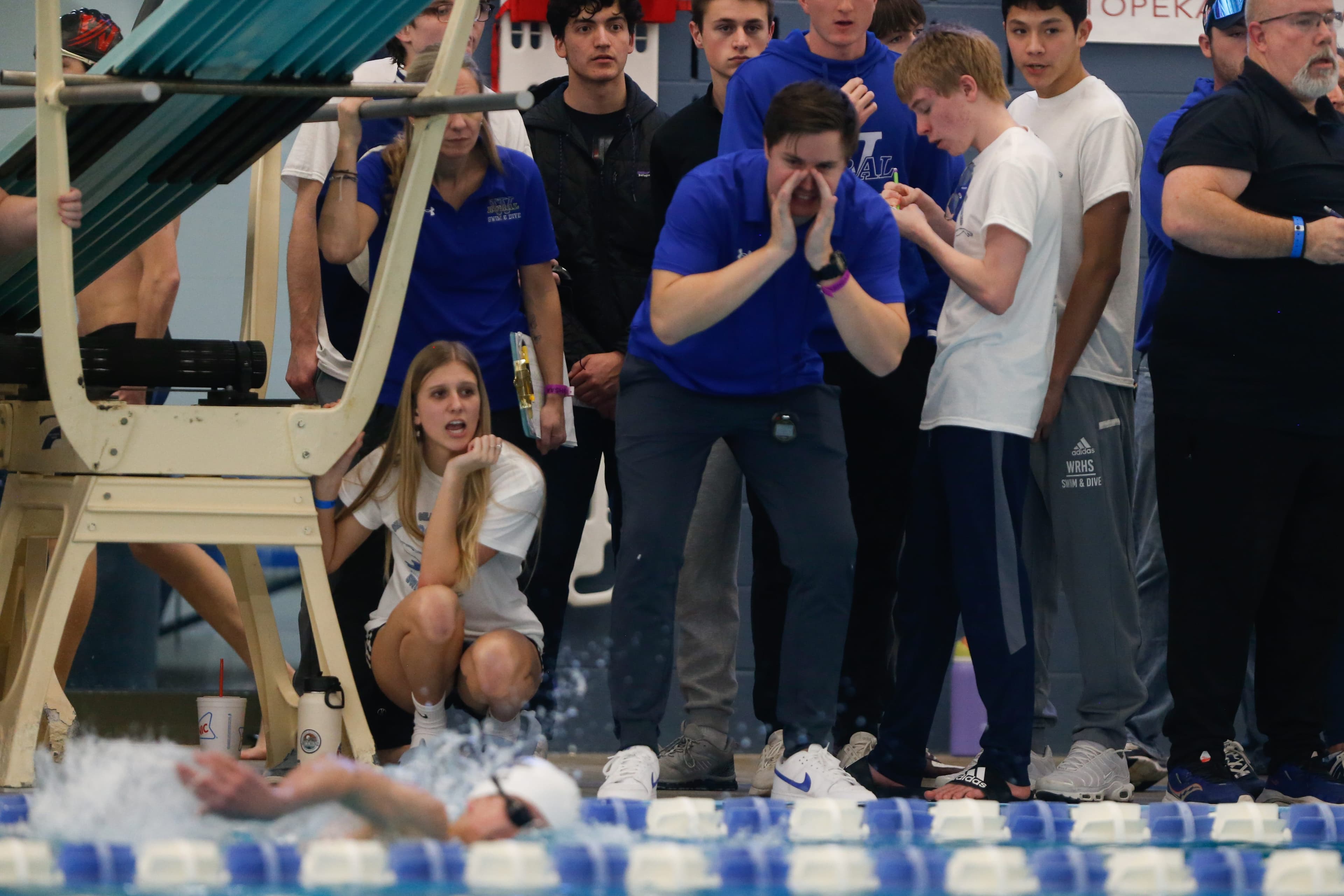


Even the best coaches run into tough situations with their athletes — whether it’s a personality clash, a motivation slump, or something more serious. In swimming, where trust and communication are everything, handling these issues well can make all the difference.
These five resources offer practical insights, proactive strategies, and support systems to help you navigate difficult coaching dynamics with clarity and care.
3 Key Features of a Successful Coach-Athlete Relationship
What it is: An article from Swimming World Magazine breaking down three pillars of healthy coach-athlete relationships: trust, communication, and collaboration.
Why we like it: This is foundational stuff — short, sweet, and valuable for both new and experienced coaches. It’s a great reminder that strong relationships are built, not assumed, and that emotional intelligence is as vital as technique.
How to Handle a Difficult Athlete
What it is: A CoachUp blog post offering a level-headed approach to managing uncooperative or disruptive athletes through communication, empathy, and accountability.
Why we like it: It avoids the trap of labeling kids as “bad” and instead promotes thoughtful problem-solving. While not swim-specific, its advice is clear, balanced, and widely applicable — especially in a youth sports context.
Report a Concern
What it is: USA Swimming’s official channel for reporting misconduct, including bullying, abuse, and violations of Safe Sport policies.
Why we like it: Sometimes the issue goes beyond “difficult” — and when it does, knowing where and how to report matters. This resource is vital for swimmer safety and coach responsibility, and every adult in the sport should be familiar with it.
How to Handle Problematic Team Members: Relying on Culture and Character
What it is: Another strong Swimming World Magazine article, this one exploring how team culture and leadership can reduce drama and improve athlete behavior.
Why we like it: It’s less about one-on-one confrontation and more about shaping an environment that prevents problems before they start. Great food for thought if you're building (or rebuilding) a team culture.
Coaching the Lazy Athlete
What it is: A blog post from Players Fitness & Performance reframing so-called “lazy” athletes as misunderstood, under-challenged, or even fearful — and offering tools to re-engage them.
Why we like it: It’s a compassionate, eye-opening take that encourages coaches to look deeper. If you're feeling frustrated with a swimmer who’s not giving their all, this piece might change your whole approach.

GET YOUTH INC UPDATES
Get real tools, fresh perspective, and inspiring stories to help you get the most from youth sports. Plus, you'll be entered for a chance to win premium fan wear to rep your favorite school or club