Youth Inc. Recommends: 5 Resources to Strengthen Communication in Team & Parent Meetings
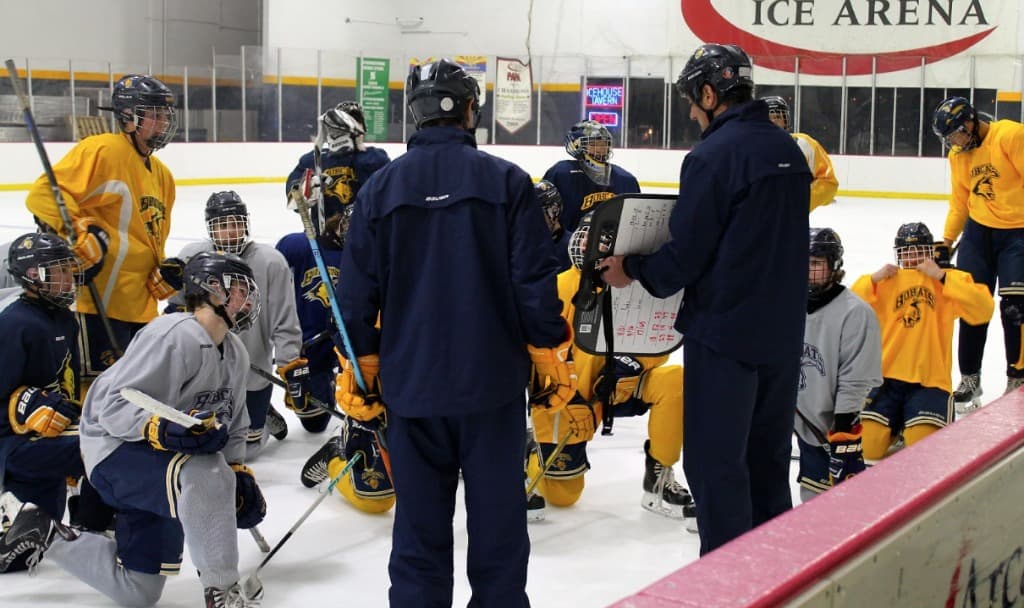

Youth sports may not carry the same weight as the adult workplace—and they shouldn’t. But that doesn’t mean we should ignore the powerful communication habits that make great teams and organizations thrive.
In the working world, regular 1-on-1s with a manager build trust and boost performance. Well-run team meetings drive clarity, alignment, and a shared sense of purpose. The same principles can—and should—be applied in youth sports.
All too often, clear communication, structured feedback, and intentional group check-ins are missing from youth organizations. But there are coaches, directors, and leaders out there setting a better standard.
These 5 resources below will help you level up your approach to individual, team, and parent meetings—bringing more connection, purpose, and cohesion to your program.
The Importance of Individual Post Season Meetings
What it is: An article by longtime coach and umpire Randy Hisner, published in Coach & A.D., a go-to resource for building strong, intentional sports programs.
Why we love it: Hisner makes a compelling case that, while time-consuming, thoughtful 1-on-1 postseason meetings are a powerful investment in your athletes and your program. We especially love the example of Indiana Tech’s veteran baseball coach, Kip McWilliams, who led his team to the 2019 NAIA World Series.
McWilliams meets individually with all 70 players in his program at season’s end. It’s a heavy lift—but one he insists is worth it. His view: coaches who skip these meetings—or dominate the conversation instead of listening—are “doing themselves and their athletes a disservice.”
With the right preparation, environment, and mindset, postseason 1-on-1s can help coaches build trust, provide clarity, and shape the future of their programs.
Three Meetings all YouthSports Coaches Should Have With Parents
What it is: A short but powerful TikTok video from JP Nerbun, founder of TOC Culture—a top-notch resource helping coaches and leaders build thriving team environments. We highly recommend youth sports parents and coaches follow TOC Culture on social and subscribe to the newsletter.
Why we love it: This is a no-fluff, experience-backed “how-to” from someone who’s been in the trenches. Nerbun lays out three essential meetings every youth sports coach should have with parents—and clearly explains why each one matters.
Follow his game plan, and your team’s parents will not only understand your values and expectations—they’ll feel genuinely connected to the mission. Clear, simple, and highly actionable.
8 Rules for Successful Parent/Coach Meetings
What it is: An insightful article by Paul Antonenko for Minnesota Hockey. Paul brings serious credentials to the table: he’s a USA Hockey Level 4 Coach and Level 1 Official, former Hockey Development Director at Armstrong/Cooper Youth Hockey, and former Coaches Board Chair for Orono Youth Hockey. Since 1991, he’s coached boys and girls from Mites to high school across the upper Midwest.
Why we love it: Paul’s deep, well-rounded experience—as a coach, official, administrator, and parent—gives this article real weight. He’s clearly thought through the often-tricky dynamics of coach-parent relationships and distilled his insights into a practical 8-Rule Framework that’s easy to understand and apply.
We especially appreciate his advice to enter every conversation assuming positive intent—a simple mindset shift that can go a long way in building trust and collaboration.
Coaches Need to Stop 'Dealing' with Parents and Start 'Engaging' Them
What it is: An insightful article by Nate Sanderson, head coach of Iowa’s state champion Springville Girls Basketball Team. Originally published on Breakthrough Basketball and later featured by Changing the Game Project, the piece offers a fresh perspective on coach-parent relationships.
Why we love it: Coach Sanderson shares a valuable mindset shift: instead of viewing parents as something to “deal with,” he began to see them as partners to engage. That simple change in perspective led him to create a thoughtful, inclusive approach that welcomes parents into the team environment in a healthy, constructive way.
His process is not only wise—it’s practical and repeatable. If you’re looking for a better way to work with parents, this article offers both the inspiration and the blueprint.
The Difference Between Amateur and Elite Coaches - Dr. Michael Gervais Explains
What it is: A 2-minute video clip from a podcast episode featuring Youth Inc.’s Greg Olsen and renowned sports psychologist Dr. Michael Gervais.
Why we love it: Dr. Gervais distills the essence of great coaching into a simple yet powerful concept: the art of asking questions, listening, and talking less. This insight is invaluable for coaches looking to improve their team and parent meetings, offering a foundational approach to fostering better communication and understanding.

GET YOUTH INC UPDATES
Get real tools, fresh perspective, and inspiring stories to help you get the most from youth sports. Plus, you'll be entered for a chance to win premium fan wear to rep your favorite school or club