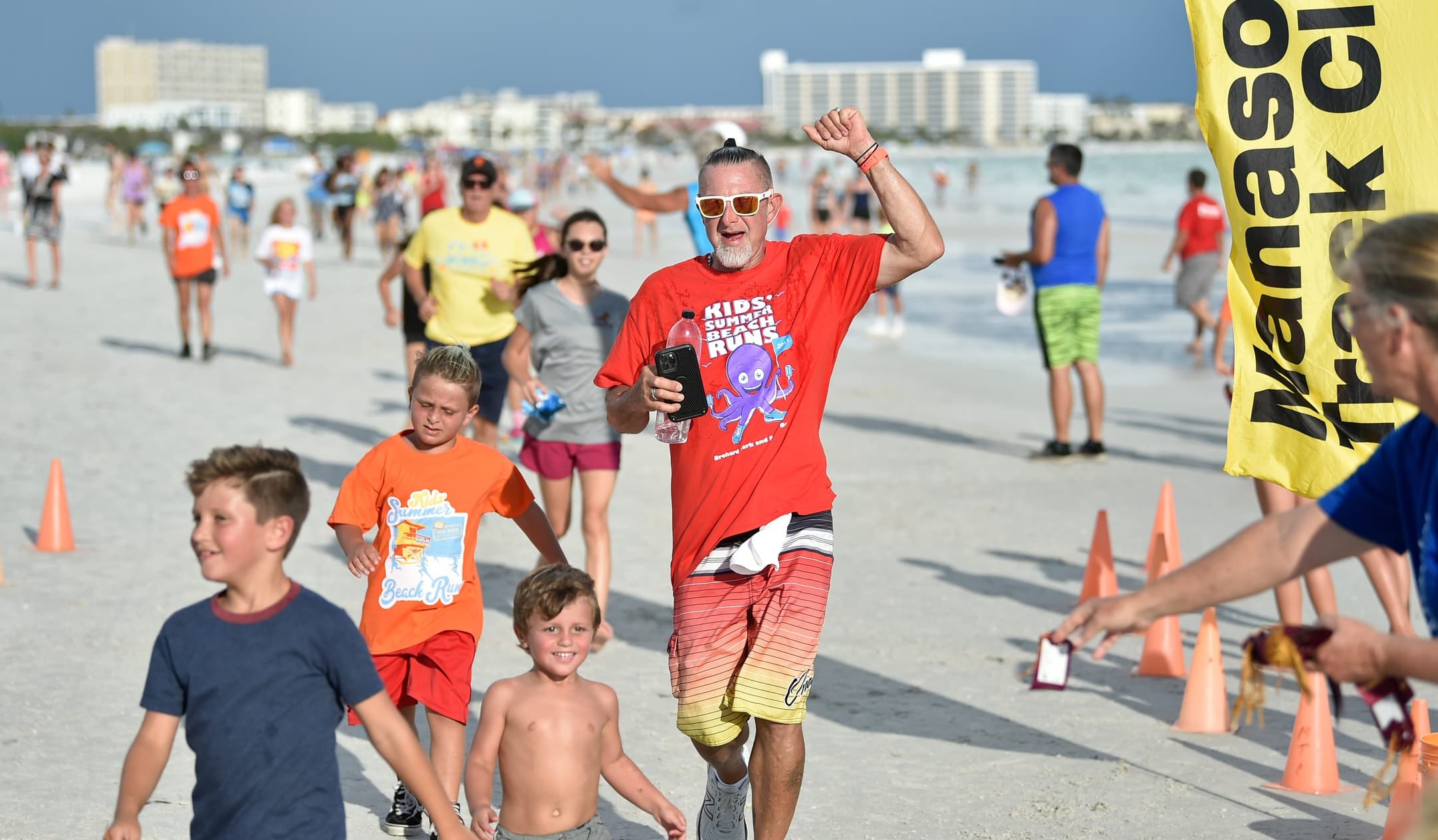

Summer shouldn’t be a season of stress. It should be a strategic break — a time to rest, explore and re-align with what really matters. But for parents of young athletes, summer can feel like a maze of options (and pressure): Should we train more? Rest completely? Go to every camp? Skip them all?
This guide gives you a clear five-part framework — grounded in sports science, expert insight and practical parenting experience — to help your child recharge and grow without losing joy, health or purpose.
1. REST — Build It In on Purpose
Why it matters: Recovery is not laziness or optional. It’s strategy. Without it, athletes risk overuse injuries, mental fatigue and long-term burnout. And after nine months of homework, practices, games and pressure? Their bodies and minds need to exhale. Young athletes need physical, mental and emotional recovery, especially after a long year of structured school and sport.
What experts say: “The number one risk factor for injury is not the number of hours trained — it's the number of hours trained in a single sport without adequate rest.” says Dr. Neeru Jayanthi, a leading youth sports injury researcher for Emory Sports Medicine. Dr. Jayanthi’s research shows that athletes who train more than eight months per year in a single sport are significantly more likely to experience overuse injuries. He strongly recommends at least 1–2 months of rest from organized sports each year, especially in younger athletes.
What to do:
- Block off 2-3 full weeks of complete rest this summer — no training, no scheduled sports.
- Build in 1-2 full day per week of total rest — no workouts, no pressure, just free time.
- Watch for signs of burnout: short tempers, sleep disruption, loss of motivation, lingering injuries. If you see them, pause.
- Normalize rest: Even the best athletes need to reset.
2. REBUILD — Use Summer to Expand Their Athletic Foundation
Why it matters: This is the time to build the athletic engine — coordination, strength, mobility and body awareness — without high stakes. Summer should include play, exploration and variety.
What the experts say: “The more varied the experience in a child’s early sports life, the better the chance they’ll find the thing they love and develop transferable skills that last,” said David Epstein, author of Range: Why Generalists Triumph in a Specialized World. Epstein’s research shows that athletes who delay specialization and sample multiple sports tend to have longer, more successful careers — not despite the delay, but because of it. By developing a broad base of physical literacy — agility, coordination, balance and body control — young athletes are better prepared to adapt, avoid injury and ultimately excel when they choose to specialize later.
What to do:
- Add 2–3 movement-based activities a week: trail hikes, beach runs, dance classes or backyard obstacle courses.
- Focus on sports that aren’t their primary one — it protects their body and brain.
- Choose playful, less structured options: pickup games, spikeball, paddleboarding, trampoline parks.
3. REFINE — Skill Work Should Be Short, Specific and Self-Driven
Why it matters: If your child wants to improve this summer, help them work smarter — not more. Skill development is most effective when it’s intentional and athlete-owned.
What the experts say: Coaches like Todd Beane, founder of TOVO Academy and a longtime advocate of athlete-centered development, stress that young athletes don’t need more drills — they need “purposeful, intelligent training” rooted in awareness and intention. “Repetition without reflection,” he warns, “only reinforces bad habits.” True skill development happens when kids are mentally engaged, challenged just beyond their comfort zone, and given time to rest and process.
This aligns with insights from James Clear, author of Atomic Habits, who explains that mastery comes not from doing more, but from doing the right things consistently and with focus. He writes, “Habits need to be designed in a way that makes progress obvious.” For athletes, that means having a clear plan, understanding what they’re working on, and knowing how to recognize improvement — even in small ways.
What to do:
- Limit technical training to 2–3 short sessions per week (under 90 minutes).
- Let them pick one skill to refine each week or month — and let it be theirs to own.
- Use feedback tools to track and correct or gamify their play.
- Skip the over-coaching — let improvement come from their own awareness and desire.
4. EXPLORE — Develop the Whole Athlete
Why it matters: Mental, emotional, and leadership growth often get overlooked — summer is your chance to make space for it.
What the experts say: Elite performance isn’t just physical — it’s mental, emotional and internal. George Mumford, mindfulness coach to athletes like Kobe Bryant and Michael Jordan, teaches that self-awareness and mental training are what help athletes “stay in the eye of the storm.” He emphasizes the value of practicing presence through meditation, journaling and reflection: “When you're in the moment, you're not distracted by fear or doubt. That’s where performance lives.”
Similarly, Dr. Amy Saltzman, creator of A Still Quiet Place, teaches young athletes to identify the negative thoughts like self-doubt, fear of failure or comparison — that quietly shape how they show up in sports. Instead of pushing these feelings away, Saltzman gives kids tools to notice them, name them and move forward anyway. Summer, she says, is the perfect time to help kids build that inner stillness — not to escape pressure, but to develop clarity and confidence when it comes. “When young athletes learn to tune into their inner experience,” she says, “they perform better and suffer less.”
- Tuning in to how your body feels after a long day of training
- Tuning in to the story you're telling yourself after a mistake
- Tuning in to your breath to stay anchored when emotions rise
These skills help athletes manage pressure, improve focus, and strengthen their emotional resilience — on and off the field.
What to do:
- Have your athlete spend five minutes a day with a mindfulness app like Headspace.
- Encourage quick journal prompts: What went well? What felt hard? What do I want to improve?
- Before games, try simple visualization — walking through key moments calmly and confidently.
- Teach basic breathwork (like box breathing) to use before high-pressure situations.
- Build quiet check-ins into the week: How does my body feel? What’s been on my mind?
5. RELATE — Reconnect Outside of the Sport
Why it matters: Sometimes, the most powerful thing you can do for your child’s sport journey is to take a step away from it — and just be their parent again.
What the experts say: One of the most powerful protective factors in a young athlete’s life is knowing they matter — not because of how they perform, but simply because of who they are. Jennifer Breheny Wallace, author of Never Enough, explains that many high-achieving kids feel they have to earn their worth through success. “They need to know they matter for just being — not for being impressive,” she writes. That message lands most clearly in moments when parents step away from performance talk and simply connect.
Steve Magness, a performance coach and author of Do Hard Things, points out that when kids feel their identity is wrapped entirely in sport, they’re more likely to experience anxiety, fragility and burnout. “If your entire self-worth is tied to results, it becomes impossible to take risks,” he says. Reconnection — outside of the pressure to achieve — creates space for growth, perspective, and confidence that lasts.
Dr. Lisa Damour, a psychologist and bestselling author of Untangled, emphasizes the importance of being present without always offering solutions. “What adolescents need more than anything,” she writes, “is to feel heard.” Whether you’re walking the dog, making dinner or doing nothing at all — those quiet moments of presence often speak loudest.
What to do:
- Set aside one day or activity a week to just be together — no agenda, no outcomes.
- Ask open-ended questions:
→ “What’s something that made you feel proud this week?”
→ “What’s been feeling easy — or hard — lately?” - Point out who they are, not what they achieve:
→ “I love how thoughtful you were with your friend.”
→ “You’ve been really brave lately.” - Start a small ritual that’s just yours: Weekly walks, Sunday pancakes, evening drives with music — something consistent and low-pressure that creates space to talk (or not talk) without performance attached.
- Do something they love — even if it’s not your thing: Watch their favorite show, learn their video game, help with a creative project. Let them take the lead and show you their world.
- Build together, not just talk: Cook a meal, build a puzzle, garden, do a DIY — shared activity opens the door for conversation naturally, without forcing it.
📚 Summer Resources for Sports Families
Here’s a curated set of helpful links to support you through summer — from expert articles to fun ideas:
🏕️ Adventure & Movement Ideas
- AllTrails: Find Hikes Near You
- Pickleball for Beginners – Get Started
- National Parks Junior Ranger Program
- 9 Steps to Organizing a neighborhood Clean Up
- 40 Ways to Exercise without knowing it
🧠 Mental & Emotional Skills
- Headspace App for Teens (FREE)
- Free Athlete Journal Prompts
- Athlete Mentality - Instagram Account for Mindset
💦 Hydration & Nutrition
- Hydration Tips for Young Athletes
- Tournament Nutrition Schedule
- Healthy Travel Snacks for Tournaments
🧳 Tournament & Travel Essentials
- Car Cabana – A portable, mom-invented shade and privacy tent that attaches to your car door—perfect for changing, cooling off or regrouping during tournaments.
- Owala FreeSip Water Bottles – Durable, leak-proof bottles with both straw and pour options, available in fun colors that kids love.
- Chill Pal Cooling Towels – Keep a few in the freezer and toss them in your bag for instant relief on hot days—wrap around the neck or over the face.
- Ausic Portable Misting Fan – A rechargeable misting fan that runs for hours, providing cool relief during summer games or training sessions. It also features a built-in lantern for late nights.
- DripDrop Electrolytes – Tasty and effective electrolyte packets that help keep kids hydrated, especially on tournament days or during intense training weeks
📦 Other Essentials
- How to Handle “I Don’t Want to Go Back”
- Why It’s OK For Your Athlete To Do Nothing This Summer
- 10 Summer Activities To Combat Burnout and Overuse Injuries
Final Word
You don’t have to over-orchestrate your athlete’s summer. But you do need a plan — one that builds in rest, keeps joy intact and sets the stage for long-term growth. Use this framework to create the kind of summer that supports your child not just as an athlete, but as a human.
Asia Mape is a four-time Emmy Award-winning journalist, Sports Television Producer, former Division I athlete and the founder of I Love To Watch You Play, a platform dedicated to helping families navigate the youth sports journey with insight, honesty and heart. She’s worked for leading sports networks including Fox Sports, ESPN, TNT, NFL Network and NBC Sports, covering five Olympics, multiple NBA playoffs, and two Super Bowls. Now a mom to three daughters who’ve all played competitive sports, Asia blends her professional storytelling background and personal experience to support parents and spark meaningful change in youth sports.

GET YOUTH INC UPDATES
Get real tools, fresh perspective, and inspiring stories to help you get the most from youth sports. Plus, you'll be entered for a chance to win premium fan wear to rep your favorite school or club