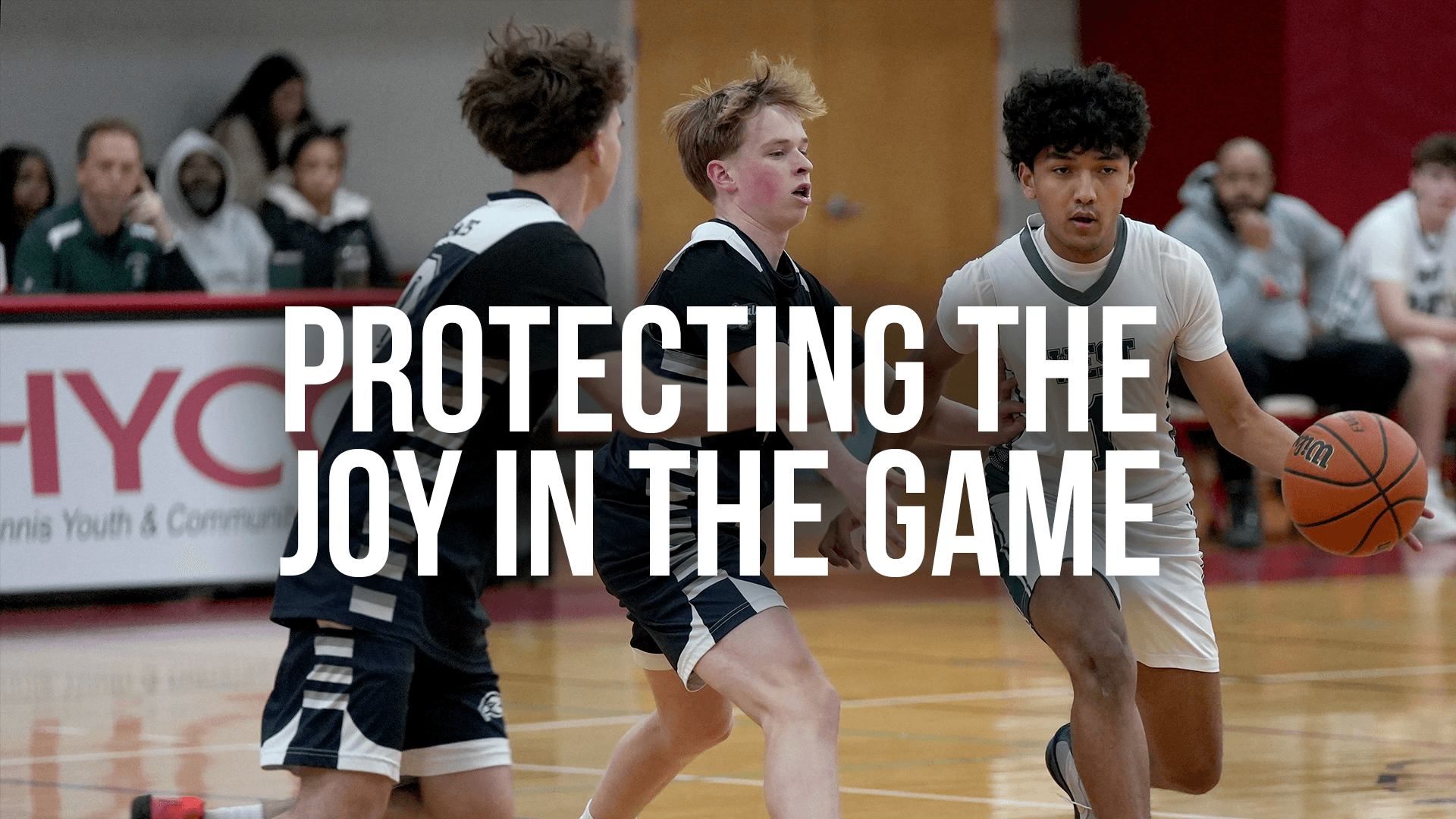

When my boys were young, I started filming their games so we could watch them together afterward. After so many years in professional basketball, breaking down film felt natural to me, and I thought it would be a great way to help them learn the game. I pictured the three of us enjoying it, pausing clips, talking through plays, and having fun.
But as we watched, I slipped into a tone they weren’t ready for. I didn’t raise my voice, but the frustration showed. If they turned their head and lost sight of the ball, or stopped on a screen, or forced a tough shot, I reacted like I was coaching grown men.
These were normal mistakes for kids, but my expectations weren’t set for where they were developmentally. And they felt it.
After a little while, I noticed the boys didn’t look forward to watching film anymore. They didn’t say anything, but their body language did. They felt my tension. Something that should have been fun had become something they preferred to avoid. And I realized I had unintentionally created that atmosphere.
So I changed my approach. I started noticing the good things first. I asked more questions instead of giving quick corrections. I pointed out smart plays from their teammates. I tried to enjoy it with them. When the tone shifted, their attitude shifted too. Not long after that, the boys were coming home and saying, "Dad, can we watch my game?" The difference was obvious. They wanted to share it with me because it felt good again.
That moment taught me something I needed to learn as a parent: kids grow best when they feel joy in what they're doing. They listen better. They learn more easily. They feel safe enough to stretch themselves. Correction still matters, of course, but it reaches them more deeply when the environment is warm enough for them to receive it.
More than a century ago, James Naismith created basketball because he wanted a game that could teach young people Christian values. He understood that learning happens more naturally when the experience carries joy. Kids lean in when something is fun. They pull away when it feels heavy. That has always been true.
As parents, we have values we hope our kids will learn through sports. But sometimes we can make the experience tense, pressured, or overly technical. We can't let our passion become our child's burden. Because when that happens, the learning we hope for becomes a lot harder to reach.
The game matters. The lessons matter. The effort and character we hope to build matter. But at its heart, it is still just a game. When we protect the joy in it, we give our kids room to grow in ways that last far beyond the final score.
Reflection Question:
What emotion do you want your child to feel when they share their games with you?

GET YOUTH INC UPDATES
Get real tools, fresh perspective, and inspiring stories to help you get the most from youth sports. Plus, you'll be entered for a chance to win premium fan wear to rep your favorite school or club