
I swam in three Olympics for Australia, and for last 30+ years, when people learn that, many ask, “Did you win a medal?” The simple and truthful answer is “no,” but that one word has been so hard for me to say every time I’ve been asked. That little “no” feels like a stab to my heart. You see, I’ve attached my self-worth to that result for so long that it feels like a part of me. The people asking don’t care about my seven World Championship medals, my national titles, or my other international medals, and in that moment, neither do I. That “no” feels like a verdict on my entire swimming career.
The hardest part isn't that I didn't win an Olympic medal. It's what I believed that "no" said about me. For years, I thought that answer meant I'd fallen short. It took me a long time to realize that what hurt wasn't missing a medal, it was the meaning I'd attached to missing one. I didn’t think I’d “failed to win a medal.” I thought I was a failure.
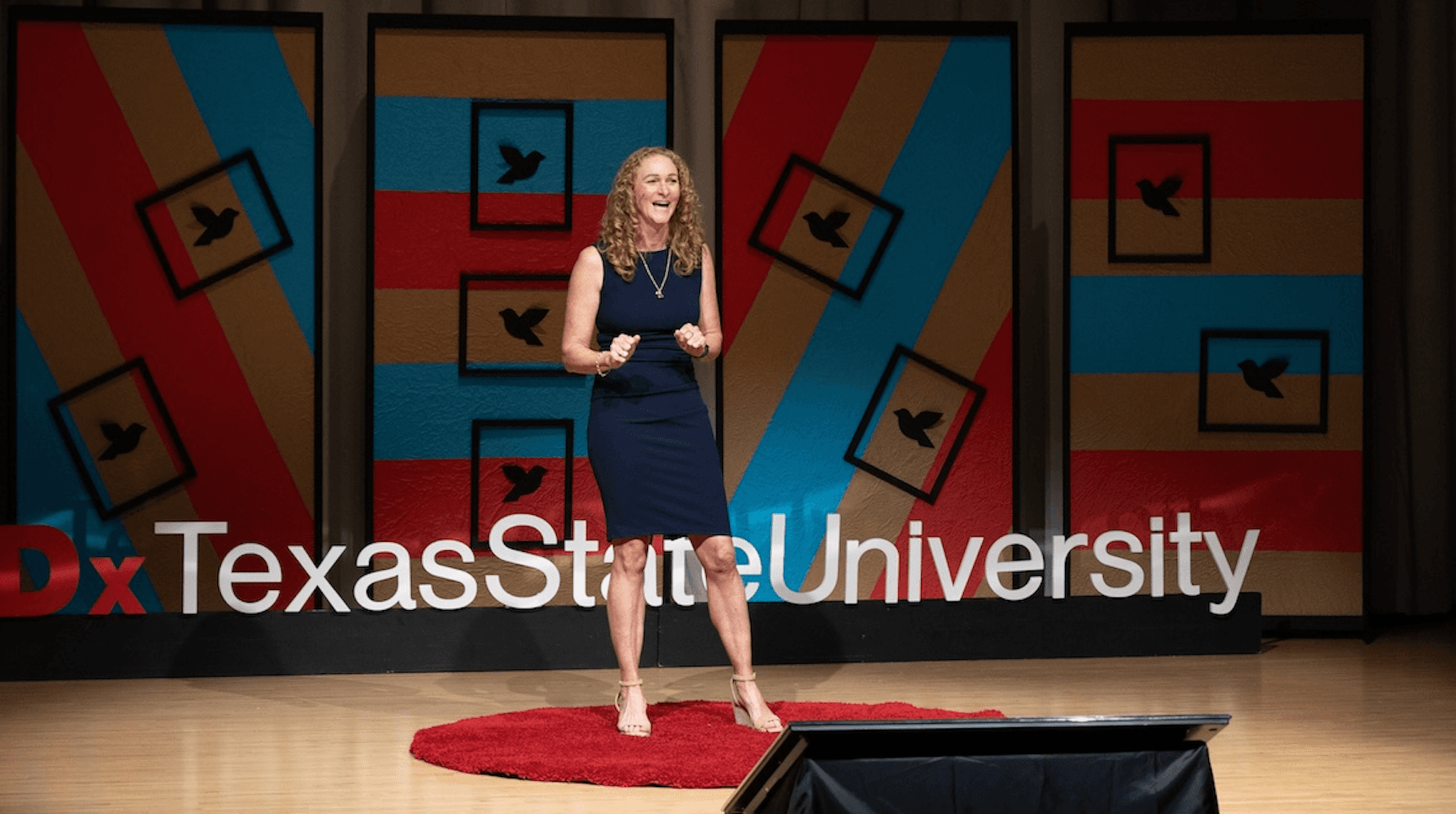
In my recent TEDx talk I share some ideas that have been brewing in me for the last couple of decades as I have become a mom of two, a coach to a huge summer swim team, and, more recently, trained to become a mental health professional. It's about the price of our "winning is everything" culture and why redefining success isn't lowering the bar, but creating the conditions for people to thrive.
“Thinking that success is the only thing that counts can leave us feeling like we’re never enough, can harm our mental health, and can hold us back from reaching our potential.”
Watch the full TEDx talk here.
Healthy Attitudes to Success Feed a Lifetime of Success
“We need to stop reinforcing the one track way of seeing success only in the gold and only in the wins, because people perform at their best when they believe in themselves and they feel confident, so how do we help with that?”
In my talk, I suggest some healthier definitions of success, achievement, and failure: definitions that help us move on from disappointing results and leave us feeling ready to keep working towards our next goal. If we can see success as a journey rather than a destination, and focus on the process instead of the outcome, we can get the most out of ourselves. And if we can see failures as opportunities to learn, then they are still part of our journey towards success.
Perspective has come to me with time. When we think about our lives and the most important moments, we realize that winning is transitory, and that the things in life that are most important to us are the relationships we foster, doing what we love to the best of our ability, and knowing we’ve made a difference.
Raising a Generation That Values Effort, Resilience, and Growth
All of us who are shaping the next generation, from parents to teachers, and coaches to leaders, can help foster healthier attitudes to success and failure that balance out the messages that are so prevalent in today’s performance culture.
“If society continues to bombard us, and our kids with the messages, and the accolades, and the payouts only for winning, we need to fight back, because it’s our mental health that’s paying the price.”
If we can see achievement in the effort, courage, and skill we bring each day, we can feel proud of ourselves even when the result doesn't go our way. And if we can untangle our identity from our outcomes, and see our worth in our growth rather than our results, we're free to keep learning, keep striving, and keep becoming who we're capable of being.

GET YOUTH INC UPDATES
Get real tools, fresh perspective, and inspiring stories to help you get the most from youth sports. Plus, you'll be entered for a chance to win premium fan wear to rep your favorite school or club