Coach, Athlete, and Parent on the College Soccer Journey: Inside Youth $ports Podcast's Round Table on College Soccer
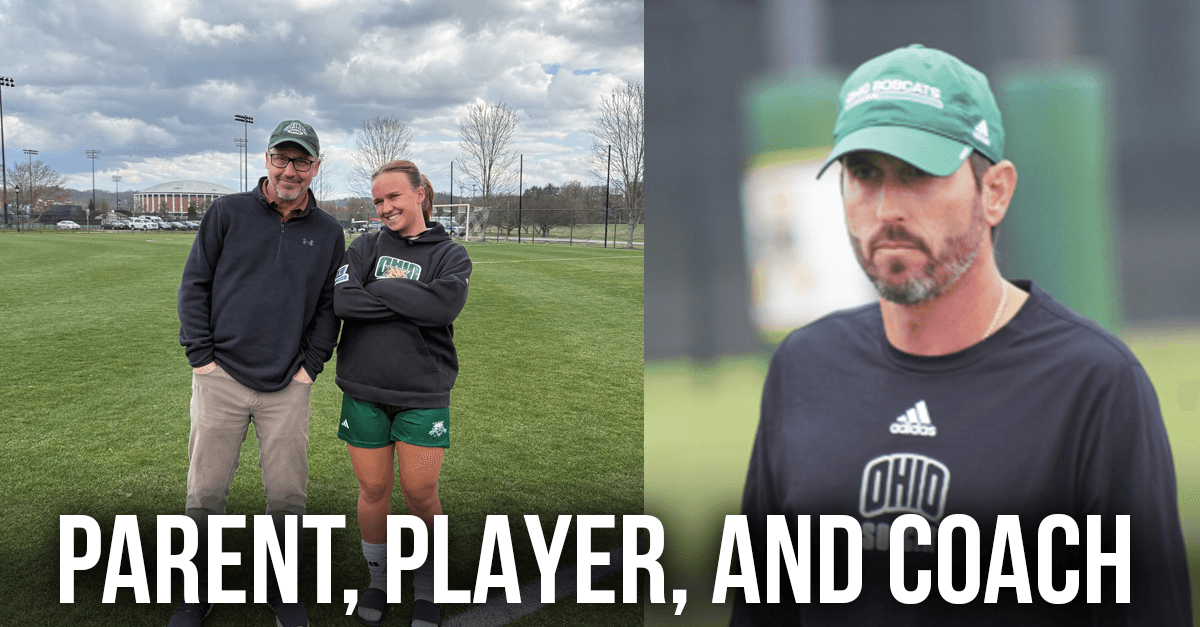

Every recruiting story has three sides: the coach who's evaluating talent, the player living the reality, and the parent watching from the sideline, hoping they prepared their kid well enough. This week's episode of the Youth $ports Podcast brought all three into the same room.
Host Allyson Tucker sat down with Aaron Rodgers (Head Women's Soccer Coach at Ohio University), Scout Murray (former Ohio University D-1 player), and David Murray (Scout's dad and author of the acclaimed new memoir Soccer Dad) for an eye-opening conversation of how the three parties experience the same events.
It's Not Just About Us
David wrote Soccer Dad as a diary of what it's like to raise a daughter through youth sports, recruiting, and college soccer. Though the book dives into some sensitive moments for Scout and her coach, the three agree on one thing: this is about something bigger.
Despite initially being nervous about how the book would make him appear, especially to people uninitiated to Division I coaching, Scout’s former head coach said he came to feel this story isn’t really about him, in the end: “It’s about how we can help other parents and young people understand and navigate what it’s like.”
That sentiment sets the tone for the whole conversation as a place to help other families and coaches learn and grow.
What Parents Wish Coaches Knew… And What Coaches Wish Parents Knew
David poses the question every sports parent has thought but rarely says out loud: what would you tell a college coach if you had five minutes?
“This was my three-year-old kid that you're now coaching,” he said. He points out that it can sometimes feel like there is a gap between player and coach when the coach doesn’t know the whole childhood that got them to this point. David claims he would’ve loved to share a bit about Scout’s childhood and learning style.
This was my three-year-old kid that you're now coaching.

Aaron's coaching perspective adds a layer to this: he reminds us that he only sees the “Athens, Ohio child,” not the “Chicago child.” Parents, meanwhile, are watching through “parent goggles,” a lens that doesn’t always understand the college version of their kid. This can sometimes create a disconnect between parent and coach.
Scout jokes that she’s not sure she would've wanted her parents getting five uninterrupted minutes to share her childhood story with a college coach.
The Confidence Question
The conversation then shifts to confidence, something that wasn’t a big problem for Scout until college. Instead of being the best player on your team, you’re now competing for playing time against two dozen other star athletes. “We felt unprepared for what happened to your confidence,” David admitted to Scout.
Aaron responds encourages players to shift the focus away from playing time and to life experience and growth: “How am I gaining experience in life and resilience? You are learning and gaining such great experience from being a student athlete.” His point is that confidence tied entirely to playing time is a trap, both for the player and for how parents measure success.
Scout also opens up about the day-to-day anxiety of not knowing her role from game to game, and Aaron acknowledges the tension coaches face here too. Most programs reveal starters the day before, but he wonders aloud if there's a better way to give substitute players hope they’ll without creating constant uncertainty among some of the starters.
Recruiting
Looking back, Scout says she didn't ask many questions during her own recruiting process. “I don't think I asked enough questions, but I think I got very lucky,” she said.
What stood out to her was how she found herself talking about the program. During campus visits, Scout encouraged recruits to ask her anything. It was during those moments that she noticed just how highly she spoke of her team and coaches.
David adds one more piece to this: though Scout desperately wanted to impress her coach, she was never afraid of him. “If you're afraid of a person for four years, that's a bad situation,” he said.
Would She Do It Again?
Asked if she could ever picture not making it through all four years, Scout doesn't hesitate: no, because of her teammates. That bond, she says, kept her and her teammates on the field, and totally committed to one another.
It’s a reminder that sports usually aren’t just about performance and playing time. The relationships and friendships formed through sport mean much more.
Honesty Hour
The round table closes with the group playing a quick word-association game:
College soccer is...
- David: Hard
- Scout: Intense
- Aaron: Rewarding
College soccer is not...
- David: Important as its own goal
- Scout: Easy to navigate
- Aaron: For everyone
David sums up the entire conversation with a simple statement: “This shit is hard. Even in the best-case scenarios, you better love soccer, your coach, and your teammates.”

GET YOUTH INC UPDATES
Get real tools, fresh perspective, and inspiring stories to help you get the most from youth sports. Plus, you'll be entered for a chance to win premium fan wear to rep your favorite school or club