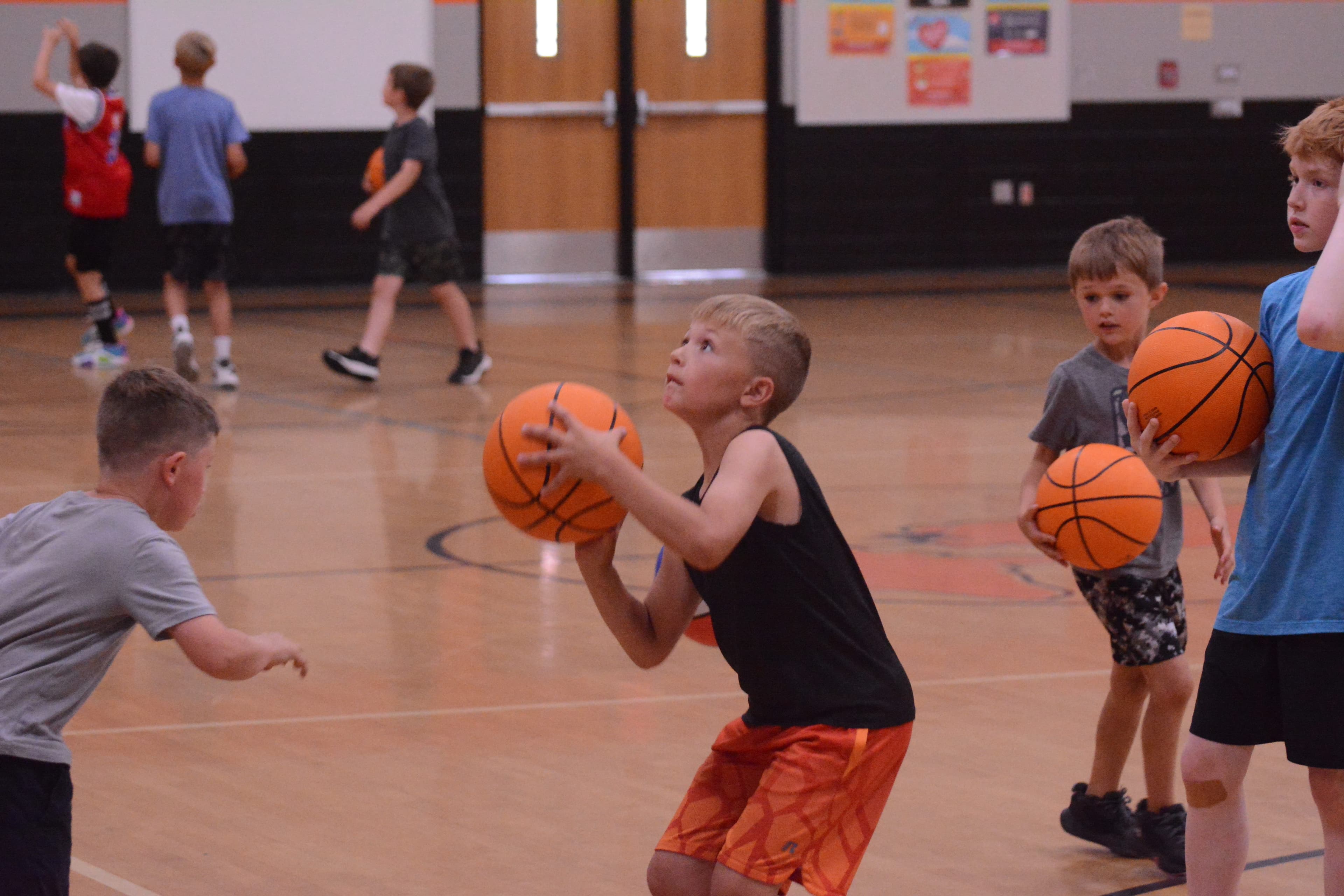


A few weeks ago, I was sitting in the bleachers along the baseline at my son’s 8th-grade basketball game. It was a Sunday afternoon at Pewaukee High School with three games happening at once. We were on the middle court, with parents, grandparents, and family members from both teams sitting all around. The gym was busy and loud, but most people were only paying attention to the game they cared about.
In our section, many parents were starting to get a little tense and passionate. It wasn't awful and I have seen much worse, but they were definitely getting caught up in it. Frequently when the refs blew the whistle for a foul or violation, you could hear people react loudly. A handful of missed calls felt big to the people around me, and their responses came quickly. I don't believe anyone walked into the gym intending to be difficult. They were just invested in their kids, like most of us parents are. Youth sports can have that effect on us.
But in the middle of all the noise, one family stood out.
There was a set of parents sitting with what looked like grandparents. They did not yell at the officials, the coaches, or the other kids. They encouraged their son and his teammates, and twice during the game they corrected their son. They were not correcting him on basketball, they were addressing his behavior that was not in line with their values. Once he reacted to the crowd, and another time he snapped back at a player. Both times, the correction was calm, clear, and focused on behavior.
Their son was also the best player on the floor. He was not completely dominant, but he was a little taller, a little stronger, and he really knew how to play. He was confident and tough, and he competed well. But he was also a young man who, like everyone his age, still has a lot of growing to do. Watching his parents, it was easy to see that he had steady examples around him. The way they carried themselves gave him a solid reference point for how to handle himself in emotional moments.
I was not looking for anything. I came to watch my son and enjoy the game. But that family caught my attention. They were modeling something valuable, and their son was benefitting from it.
It made me think about my own instincts.
I have coached for a long time. When I watch basketball, I notice spacing, matchups, decision-making, and details. And I am also a dad, so I want to help my kids. Those two identities can overlap quickly. The urge to coach from the stands is very real for me.
But I have learned that my job in the bleachers is different than my job on a sideline. Coaches coach. Parents model. The way we carry ourselves sets the emotional tone.
There is a phrase that has helped me throughout my life. I remind myself of it on the days when my intensity of emotion is higher than it probably should be: cognition controls emotion. What I think about shapes how I feel. If I focus on the officials, I get frustrated. If I focus on mistakes, I get tense. And when I get tense, my kids feel it. They take their cues from me, whether I say anything or not.
They are always watching us. And sometimes, the most powerful thing they can see is a parent who is calm, encouraging, and fully present.
Reflection Question
When the gym gets loud, what do you want your child to notice about you?
Practical Tip
Before every game, choose one word to model: calm, encouragement, gratitude, or something else. Return to it whenever emotions rise.

GET YOUTH INC UPDATES
Get real tools, fresh perspective, and inspiring stories to help you get the most from youth sports. Plus, you'll be entered for a chance to win premium fan wear to rep your favorite school or club