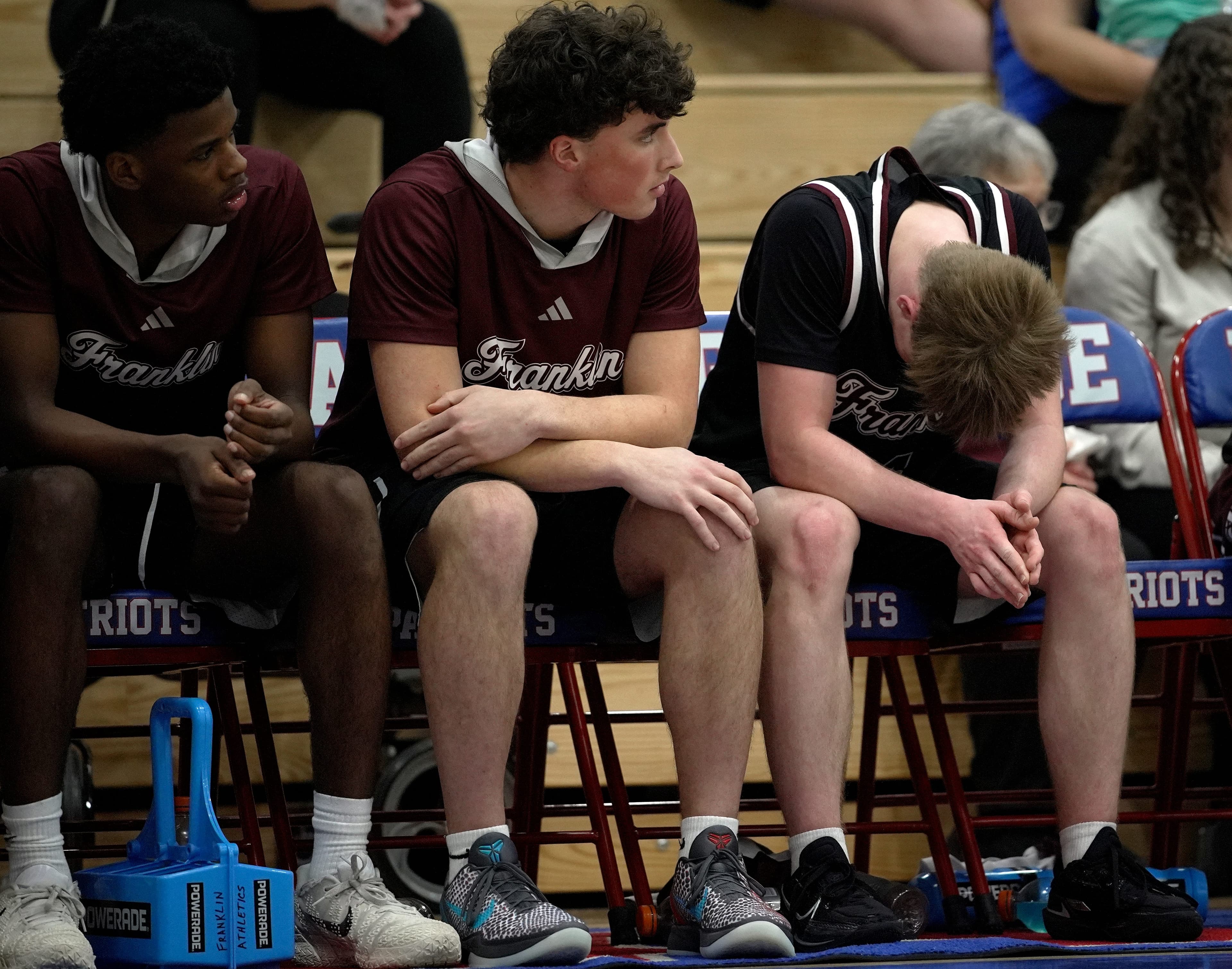

It’s February. In a lot of places it’s cold, gray, and the middle of the season. In our league, one school just canceled classes because so many kids were out sick. Last weekend we had a seventh grade game where both teams showed up with four healthy players. Each team ended up scrambling to call sixth graders at the last minute just so the game could happen.
That’s youth sports in February.
As a coach and as a parent, this is where things get murky. What do you do when everyone is under the weather? What do you do when your kid looks exhausted, says they feel awful, and you’re trying to decide whether this is part of growing up tough or part of getting worse?
A lot of us sign our kids up for sports because we believe in what it can build. We believe in mental toughness. We believe in commitment. We believe in pushing through discomfort and discovering there’s more inside of them than they thought. There is real value in that. Learning to get up when you’re tired, to compete when it’s hard, to stay consistent when you would rather stay home, are all traits that will serve our kids well for the rest of their lives.
But values always live inside context.
If your child has pneumonia, this is not the moment to teach toughness. If they are contagious, this is not the moment to prove commitment. Wisdom sometimes matters more than grit.
Most of the time, though, it isn’t that obvious. It can be a bad cold or a lingering cough. Maybe it's a kid who says they don’t feel great but also wants to play. You’re trying to decide whether this is sickness or avoidance, fatigue or something that just needs a little push.
That’s where it gets hard.
You keep them home because they look miserable, then the next morning they bounce out of bed like nothing happened and you wonder if you made the wrong call. Or you ask them to show up because you believe in commitment, and later you question whether you should have let them rest.
There isn’t a formula for this. You cannot run parenting like a spreadsheet. No number of sick kids automatically tells you whether to practice or cancel. No symptom chart tells you exactly when to push and when to pause.
What you can do is this: know your values, pay attention to the context, and make the best decision you can in that moment.
If you believe your child needs rest, let them rest. If you believe they need to learn to show up even when they don’t feel perfect, ask them to show up. If they are clearly ill, protect their health. If they are simply uncomfortable, maybe this is a place to stretch.
You might get it wrong, and that is part of parenting too.
You are not going to ruin your child because you kept them home one practice. You are not going to ruin them because you asked them to go when they felt tired. As long as you are thinking, paying attention, and acting in good faith, you are doing the job.
Youth sports at this level are not professional contracts. These are growing bodies in the middle of winter, dealing with school, sleep, hormones, and whatever virus is going around the locker room.
Make your call looking at both your values and the context. Do your best and then let the guilt go.
I hope everyone gets healthy. I hope teams finish strong. And I hope, in the middle of flu season and full schedules, we remember that we are raising kids, not managing careers.

GET YOUTH INC UPDATES
Get real tools, fresh perspective, and inspiring stories to help you get the most from youth sports. Plus, you'll be entered for a chance to win premium fan wear to rep your favorite school or club