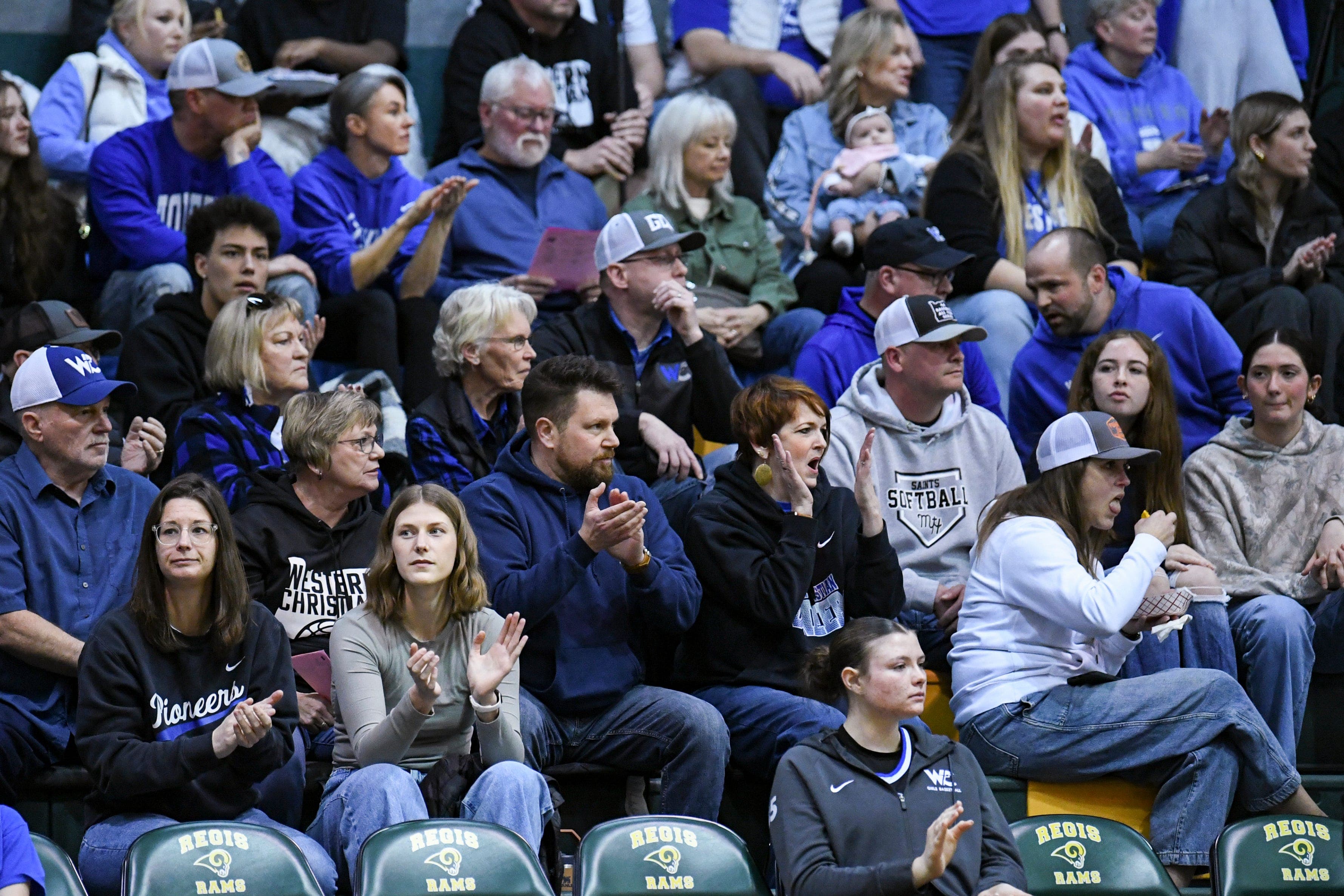

It usually starts in ordinary ways.
We’re standing in the bleachers during a timeout. A few of us gather near the baseline while the kids stretch. We talk in the parking lot after practice. Someone mentions a rotation. Someone questions a decision. Someone adds a detail that feels important to get right.
Most of it comes from care. We invest time, energy, and emotion into youth sports, and when things feel off, it’s natural to talk about it with other adults who are paying attention. Often, the observations aren’t wrong. Coaches make mistakes. Teams struggle. Situations fall short of what we hoped for. Noticing those things doesn’t make us negative. It makes us human.
The challenge isn’t that we talk. It’s what happens when certain conversations become the background noise of a season.
Those interactions don’t stay contained to the moment or the place. Our kids hear more than we think, and even when they don’t hear the words directly, they feel the tone. It shows up later in how they talk about their coach, their teammates, or their own role. Not because anyone sat them down and explained it, but because that’s the environment they’re moving through.
What makes this tricky is how reasonable it all sounds while it’s happening. A single comment feels harmless. A short exchange feels validating. Each moment on its own seems small. Over time, though, the repetition shapes how a season feels. The same frustrations revisited again and again quietly change the experience without anyone intending to.
I’ve noticed how easy it is for us to drift into that space. Once a certain tone takes hold, it can feel awkward to interrupt it. Silence can feel like agreement. Saying something different can feel uncomfortable. I’ve found myself nodding along with things I wouldn’t have said myself, simply because it felt easier than pushing back. I’ve also caught myself wishing I had slowed it down sooner.
I say all of this knowing how hard it is to get right. I coached professionally for five years and took public criticism as part of the job. Some of it was fair. Some of it wasn’t. That comes with the territory at that level. Youth sports are different. Many of the coaches we’re around are parents with other jobs, doing their best to manage a group of kids while they’re still learning the craft themselves. And even knowing that, I’ve caught myself slipping. I’ve expressed frustration in one-on-one conversations and felt uneasy about it later. I’ve nodded along when a conversation drifted in a direction I didn’t really agree with. At times, I have found myself being agreeable instead of intentional. If it’s hard for me to resist that pull, I know I’m not alone in it.
Youth sports already ask our kids to navigate uncertainty. Roles change. Playing time fluctuates. Effort doesn’t always show up the way they want it to. We can see how adult conversations settle into them in quiet ways. A child gets in the car after practice and is quieter than usual. A comment about a coach sounds rehearsed. A frustration feels heavier than the moment itself should warrant.
Nothing dramatic happens, but something has shifted.
At the same time, pretending everything is fine doesn’t help either. We all know there are genuinely difficult situations in youth sports. Some coaches struggle. Some systems don’t work well. Many of us are trying to make the best of options that are limited.So the question isn’t whether we should talk. It’s how we do it, where we do it, and how long we let certain narratives live.
I’ve seen environments change when one of us slows the conversation just enough to widen it. Acknowledging the frustration, but also noticing something steady. A kid sticking with it. A small moment of growth. A team responding after a rough stretch. Not to shut things down, but to keep the story from narrowing.
Our kids are learning how to handle difficulty long before they face it on their own. They’re watching how we talk about imperfect situations and deciding what those situations mean. Sometimes the most influential part of a season isn’t the game itself, but the conversations that surround it.

GET YOUTH INC UPDATES
Get real tools, fresh perspective, and inspiring stories to help you get the most from youth sports. Plus, you'll be entered for a chance to win premium fan wear to rep your favorite school or club