The Trail Is Permanent: A Gambling Ruling Every Recruit's Parents Should Read
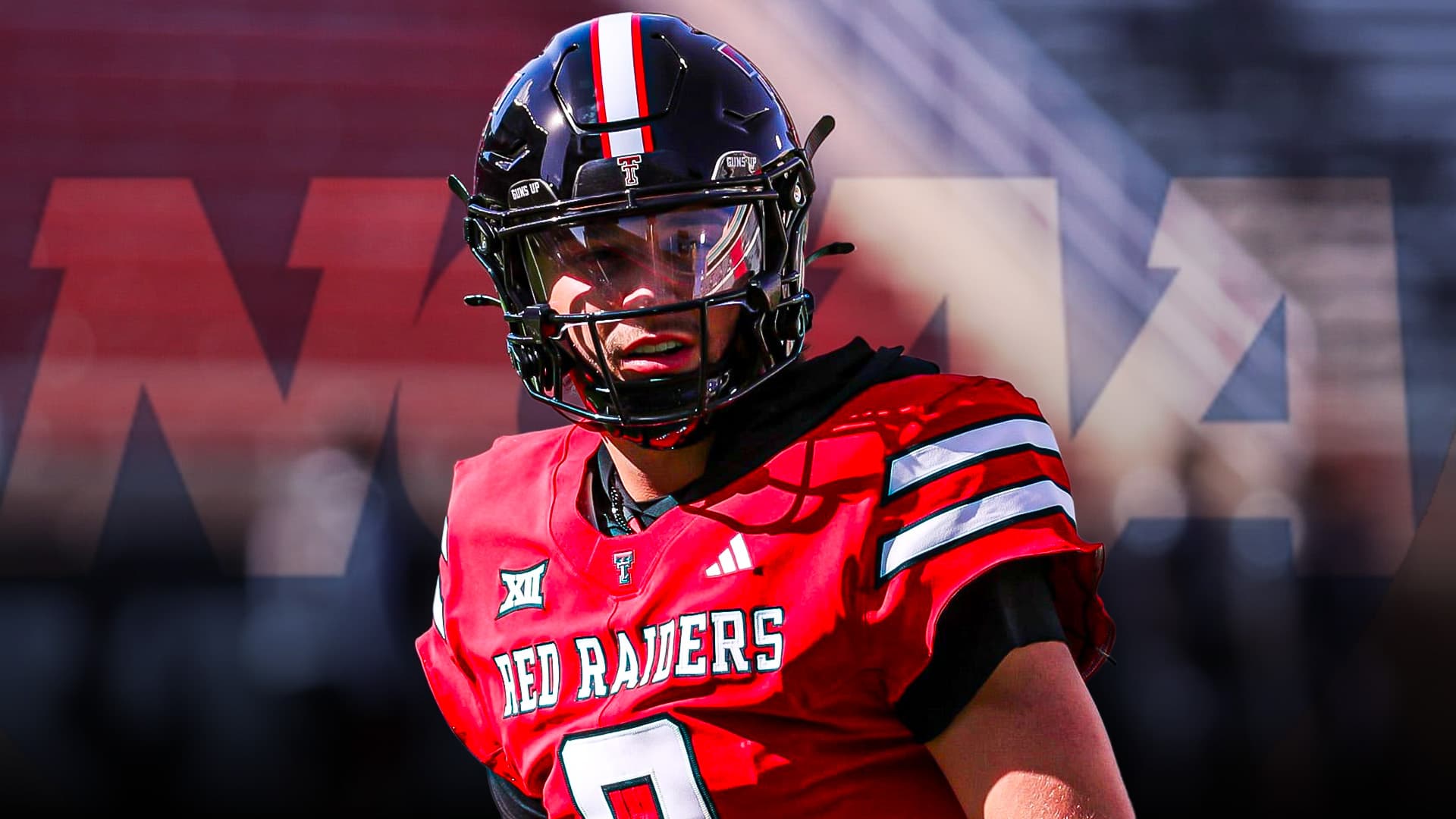


On Monday morning, a district judge in Lubbock County, Texas, handed Brendan Sorsby his football life back. Judge Ken Curry granted the Texas Tech quarterback a temporary injunction against the NCAA, ruling that the association can't keep him off the field for the 2026 season. Under the terms reported by NFL Network's Ian Rapoport, Sorsby will sit the first two games — against Abilene Christian and Oregon State — then return for the Big 12 opener against Houston on Sept. 18.
Two games. Hold onto that number, because of the other number sitting right next to it.
According to a 111-page affidavit cited in Associated Press reporting and by ESPN's David Purdum, Sorsby placed bets totaling at least $90,000 over four years across three programs — Indiana, Cincinnati and Texas Tech. The AP reported the filings included at least 40 bets on Indiana football during his freshman year in 2022, when he was a Hoosier. Betting on your own team is supposed to be the one bright line in college sports; the NCAA's own rules treat it as grounds for permanent ineligibility. Sorsby crossed it, admitted it, and is going to play anyway.
First, the part that deserves to be said plainly: good for him. Sorsby's attorneys say he was diagnosed with gambling and anxiety disorders and completed a 35-day inpatient program in Arizona. Gambling addiction is a real clinical condition, and a 22-year-old getting treatment and a second chance is a good outcome. His coach, Joey McGuire, said he was proud of him for getting help. Nobody should want this kid's life defined by the worst stretch of it.
But step back from Lubbock for a second and look at what this ruling is sitting on top of.
Rewind to 2023. A statewide gambling investigation tore through the Iowa and Iowa State athletic departments and swept up dozens of athletes. Iowa State's starting quarterback, Hunter Dekkers, was accused of placing 26 bets on Cyclones events — including one Iowa State football game — out of roughly 366 total wagers worth a little over $2,799, according to the criminal complaint reported by CNN and the Des Moines Register. For that, the NCAA ruled him permanently ineligible in February 2024. He landed at a community college, trying to claw his way back to the field.
Read the two cases back to back. Dekkers: under $3,000 in total bets, banned for life. Sorsby: $90,000, dozens of wagers on his own team, back in two weeks of football. ESPN, writing about Dekkers last year, put the imbalance bluntly — athletes who gambled far more money, just not on their own sport, often kept some eligibility while he lost all of his.
So what changed? Not the conduct. The venue.
Sorsby didn't win an appeal inside the NCAA's own process. He went to court, hired heavyweight sports attorney Jeffrey Kessler, and got a judge to step in. And here's the uncomfortable part for the people who run college sports: the NCAA keeps losing these fights. As Sportico and CBS Sports have both noted, Sorsby's case follows the path Vanderbilt quarterback Diego Pavia carved out — his actual trial won't happen until after the 2026 season it was supposed to decide. The NCAA called Monday's ruling a blow to the "integrity of sports." It may be right. It's also increasingly powerless to do anything about it.
That's the real story here, and it's the one that should matter to anyone with a kid in a recruiting pipeline.
We are living through a stretch where nobody — not the NCAA, not the schools, not the agents, not the players — can tell you with confidence what the rules will be twelve months from now. NIL money is real and barely regulated. Eligibility is being rewritten in courtrooms instead of committee rooms. The guardrails that existed five years ago are bending case by case, and the people who get caught in the gears are almost always the youngest and least protected.
If you're an athlete about to sign, or a parent about to hand your 17-year-old over to that machine, the lesson is not "you can gamble $90,000 and a lawyer will fix it." Sorsby is the exception, not the template — for every injunction that lands, there's a Hunter Dekkers at a junior college. The lesson is simpler and older than NIL: be careful what you put your name on, your money into, and your phone near.
Because the other thing this case proves is that all of it gets found. The NCAA learned about Sorsby's betting from a tip that ran from law enforcement to an online sportsbook. Iowa investigators used geofencing data to flag athletes placing bets inside their own stadiums. Every deposit, every account opened under a brother-in-law's name, every Venmo to a buddy — it leaves a trail, and the trail is permanent. What a 19-year-old does on an app today can surface in a courtroom three schools later.
College sports has never had more money in it or less certainty around it. For the young people walking into that, the smartest move isn't finding the loophole. It's not needing one in the first place.
If you or someone you know is struggling with a gambling problem, free and confidential help is available 24/7 through the National Problem Gambling Helpline at 1-800-GAMBLER.

GET YOUTH INC UPDATES
Get real tools, fresh perspective, and inspiring stories to help you get the most from youth sports. Plus, you'll be entered for a chance to win premium fan wear to rep your favorite school or club