

March is usually about the madness on the court, but this week, in the middle of NCAA Tournament chaos, one of the most important lessons for coaches didn’t come from a decision made in a game.
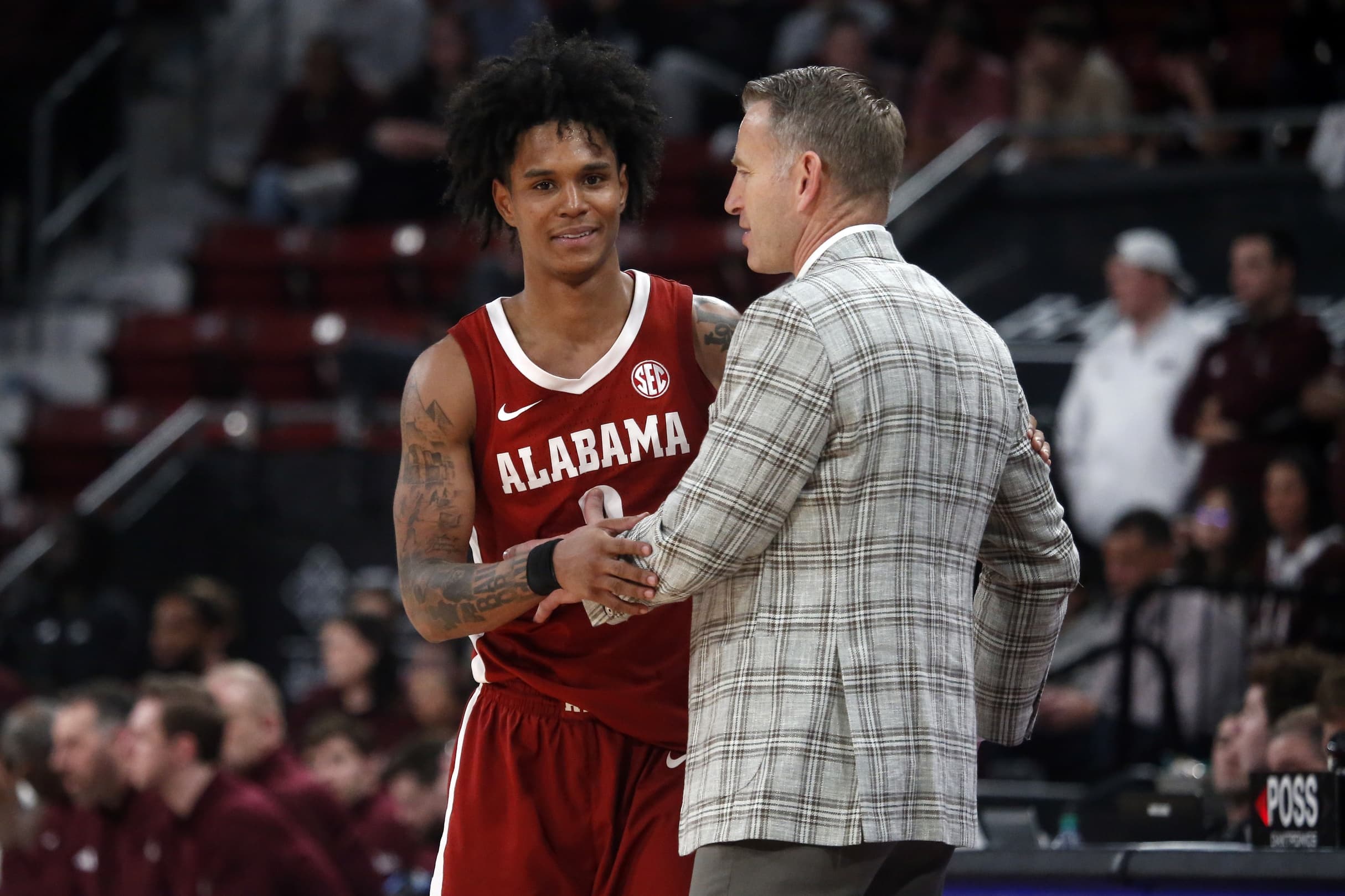
Nate Oats shared that he’s spoken with Aden Holloway every day following the player’s recent arrest and removal from team activities. His reasoning was simple and powerful:
"If you disappear on a guy when he makes a mistake, I’m not so sure that’s a genuine relationship you built.”
The situation itself is serious. Holloway, a young player navigating a high-pressure environment, made a decision that now carries real consequences—for himself and for his team. That part matters, and accountability matters. But what Oats chose to emphasize in the aftermath is what should stand out to every coach at every level.
Because coaching isn’t just about managing a roster. It’s about showing up for people especially when it’s hardest.
At the youth level, we talk all the time about “family,” “culture,” and “buy-in.” But those words get tested the moment a player messes up. It’s easy to support the kid who’s scoring points, showing up on time, and making your team look good. It’s a lot harder to stay connected to the one who made a mistake that hurts everyone.
Oats’ approach is a reminder that when you commit to coaching someone, you’re not just investing in their performance—you’re investing in them as a person. And that responsibility doesn’t disappear when they fall short. If anything, it becomes more important.
This doesn’t mean avoiding consequences. It doesn’t mean excusing behavior. Teams still have standards, and actions still have ripple effects.
But it does mean this: your relationship with a player can’t be conditional on them getting everything right.
For a lot of young athletes, a coach isn’t just a voice on the sideline. They’re a mentor. A stabilizer. Sometimes even a lifeline. And in moments of failure—when embarrassment, fear, or isolation start to creep in—that connection might be the one thing that keeps them grounded.
You can coach discipline and still offer presence.
And you can build a team culture that holds everyone accountable without abandoning individuals when they need guidance the most.
Sometimes the most important thing you can do as a coach is pick up the phone.
Don't disappear.

GET YOUTH INC UPDATES
Get real tools, fresh perspective, and inspiring stories to help you get the most from youth sports. Plus, you'll be entered for a chance to win premium fan wear to rep your favorite school or club